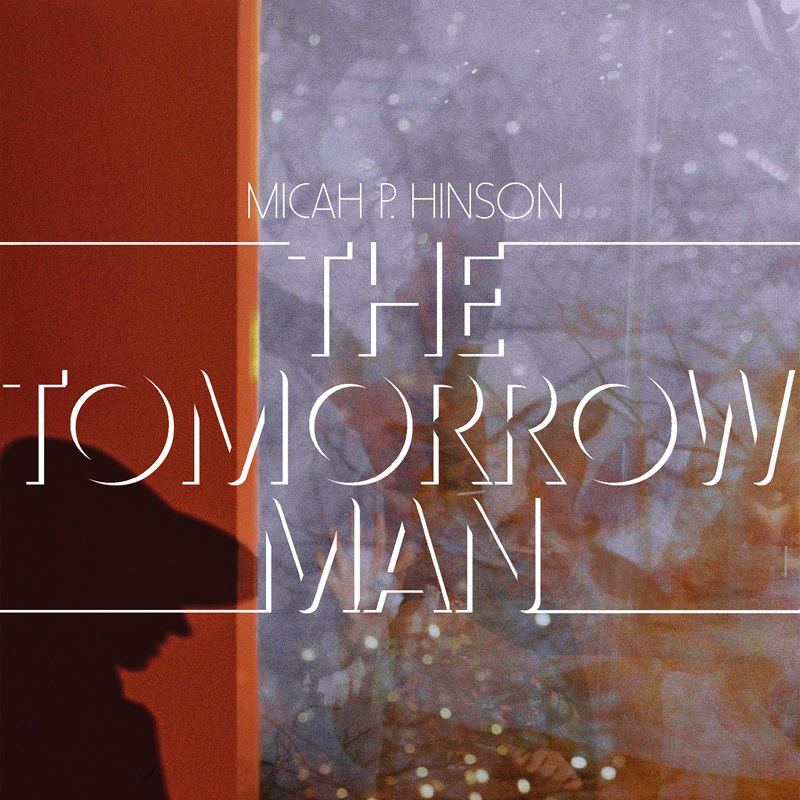
Dopo anni trasformazioni interiori e svolte artistiche, Micah P. Hinson torna con “The Tomorrow Man”, in uscita il 31 ottobre per Ponderosa Music Records. Un lavoro che segna un’evoluzione profonda: abbandonando il folk rock delle origini, Hinson abbraccia un crooning malinconico e intimo, mettendo la voce al centro della sua narrazione emotiva. Il musicista ci ha raccontato i motivi dietro questo cambiamento, dando anche qualche anticipazione sul tour che lo vedrà in Italia per cinque date durante il prossimo mese.
— SCROLL DOWN FOR THE ENGLISH VERSION —
Ciao Micah, benvenuto su SpazioRock! Il tuo nuovo album “The Tomorrow Man” uscirà presto. È un’uscita piuttosto importante, poiché sembra segnare l’inizio di un nuovo capitolo musicale per te, con molte differenze rispetto ai tuoi lavori precedenti. Cosa ti ha portato in questa direzione, e quali sono state le sfide più grandi in termini di scrittura delle canzoni?
Chokma! (Chokma significa “ciao/addio” nella mia lingua nativa) È un album importante per me — una nuova vita, una nuova luce. Credo di essere stato diretto verso questa direzione fin da quando ho preso in mano una chitarra per la prima volta. Dovevo solo imparare molte lezioni e vivere molti giorni. Mi sono guardato dentro e ho deciso che ero stanco di essere quel ragazzo triste ed emo che scriveva canzoni in un angolo su relazioni finite male. Continuavo a fissare il passato e a scrivere canzoni su relazioni morte e sulle persone che erano morte lungo la strada. Non volevo più nulla di tutto questo. Ma, al tempo, “non voler più questo” significava posare la chitarra e andare avanti. Non sapevo che c’erano altri piani — e quel piano era trovare un nuovo modo di vivere. Ho premuto il pulsante di espulsione sulla mia vecchia esistenza, e BAM — eccomi lì, sparato attraverso il maledetto cielo. Non è stato affatto facile — e non posso dire che le persone intorno a me non ne siano state toccate: le vite sono cambiate, la geografia è cambiata… ma è stato per il meglio, e credo che si possa sentire in queste canzoni.
In questo disco ti metti davvero a nudo e tocchi temi delicati — la fede, le barriere emotive, il dolore. Cosa ti spinge a esplorare temi così profondamente personali?
Lo faccio da sempre — è quello che faccio — da più di metà della mia vita: cercare di trovare e comprendere le delicatezze di questa esistenza umana che ci è stata data — o imposta. Il dolore è, purtroppo, una costante, quindi deve essere esplorato. La fede è una proposta pericolosa che può portare amore, ma più spesso porta vergogna e dolore — quindi sì, bisogna parlarne. E così via, in tutto ciò di cui parlo e canto. Sono cose con cui tutti noi abbiamo a che fare — da cui tutti soffriamo — ed è davvero responsabilità della musica, e ancor di più delle canzoni, indagare questi misteri. Abbiamo bisogno di ascoltare altri che rovistano tra le macerie della vita. Ci aiuteranno a trovare delle cose. Ci aiuteranno a trovare la nostra strada, così come le canzoni — e chi le scrive — hanno fatto per me.
La tua musica sembra spesso sospesa tra dolore e redenzione. Pensi che scrivere canzoni serva più a elaborare il passato o a comprendere il presente?
Ho certamente pensato che guardare al passato fosse una cosa molto importante di cui cantare — da studiare — ma, alla fine, questa pratica non mi è servita. Il mio passato ha, ovviamente, giocato un ruolo importante in ciò che sono oggi — nel presente — ma questo non significa, in un certo senso, che il passato è già qui con me? E se è così, allora il mio stato presente fa parte di quel passato — quindi non vedo alcuno scopo nel fissare quell’abisso del mio passato, dal momento che già ci vivo dentro. Così, più di ogni altra cosa, guardando al futuro, con il passato e il presente insieme a me, posso trovare cose nuove, nuove emozioni per sconfiggere vecchi orrori, e posso usare la luce — e l’incertezza — del futuro per illuminare il mio cammino.
Hai una voce unica, fragile e potente allo stesso tempo. Ti senti più a tuo agio quando mostri quella fragilità, o quando cerchi di nasconderla?
Oh, forse non è una cosa buona — o, diavolo, forse lo è — ma il concetto di “sentirmi a mio agio”, nel canto, non gioca alcun ruolo nei miei pensieri e nelle mie preoccupazioni riguardo al cantare le mie canzoni. Essere “fragile e potente allo stesso tempo”, per me, sembra una combinazione perfetta. Non sono sicuro che vorrei essere qualcos’altro.
Sei cresciuto negli Stati Uniti, ma hai vissuto anche in Europa, e queste influenze emergono chiaramente nella tua scrittura e nel suono delle tue canzoni. Cosa ti hanno dato questi luoghi così diversi che ora porti nella tua musica?
Ultimamente ho riflettuto su questo — sull’idea di essere texano, di essere Chickasaw, e di aver vissuto e svolto gran parte della mia carriera nel Vecchio Mondo. Si potrebbe supporre che il mio tempo in Europa abbia influenzato la mia musica, ma, onestamente, da bambino ascoltavo principalmente artisti europei — gli Stati Uniti, certo, facevano cose interessanti, ma musicalmente le mie orecchie erano sempre rivolte verso il Vecchio Mondo. Quindi, in molti modi, quando sono arrivato sulle coste dell’Inghilterra, ero già stato influenzato. Alla radice di ciò che sono, però, c’è il mio essere Chickasaw, e quel Chickasaw, insieme ai miei antenati, canta — spero — da un luogo privo di tempo e di influenze costanti. So che è una cosa un po’ ridicola da dire, ma che cos’è la vita senza dire cose ridicole, eh?
C’è anche un po’ d’Italia in questo album. È il tuo secondo disco pubblicato da Ponderosa Music, e per di più le parti orchestrali sono state arrangiate da un ensemble di Benevento. Che tipo di legame hai con l’Italia?
Diavolo, in questo disco c’è un sacco d’Italia — la mia etichetta, la mia agenzia di booking, il mio management, la mia band, il mio produttore, eccetera. Credo si possa dire che ho molti legami con l’Italia. È un luogo bellissimo, selvaggio, pieno di persone bellissime e selvagge. Avete la vostra civiltà lì da così tanto tempo che le radici del luogo sono profondamente radicate, molto diversamente dall’influenza occidentale del mio Paese. Prima che la gente iniziasse ad arrivare nella nostra terra, avevamo la nostra civiltà — quindi non rimane molto: abbiamo ancora la nostra lingua, ma è stata sull’orlo dell’estinzione. Abbiamo ancora le nostre canzoni e le cantiamo, anche se fino agli anni ’70 questa pratica era illegale: cantare, danzare, parlare — tutto illegale. Quindi, per me, è affascinante vedere una società di persone, come la vostra, che continua a resistere da migliaia di anni — apparentemente senza interruzioni.
A novembre sarai in tour, suonando in cinque città italiane. Cosa dobbiamo aspettarci da questi concerti?
È piuttosto semplice: io alla chitarra e alla voce. Il mio produttore, Asso, al banjo, alle tastiere, all’armonica e ad altri strumenti. E Paolo Mongardi alla batteria. L’album, dal punto di vista sonoro, è piuttosto imponente, ma abbiamo passato molto tempo a trasformare i brani in canzoni che potessero essere realizzate da un trio. Quando è stato scritto, questo album era pensato solo per chitarra e voce.
Per me è importante scrivere canzoni, non semplicemente musica. Se una canzone non può essere suonata con un solo strumento e una voce, allora non è una canzone — è solo musica.
— ENGLISH VERSION —
Hey Micah! Welcome to SpazioRock! Your new album The Tomorrow Man is coming out soon. It’s quite an important release, as it seems to mark the beginning of a new musical chapter for you, with many differences compared to your previous works. What led you in this direction, and what were the biggest challenges you faced in terms of songwriting?
Yes, yes, Chokma! (Chokma means ‘hello/goodbye’ in my Native language.) It is an important album for me- it’s a new life, a new light. I believe I’ve been heading in this direction since I first picked up a guitar. I just had a lot of lessons to learn and a lot of many days to live through. I looked at myself and decided I was tired of being the sad, emo boy writing songs in the corner about fucked relationships. I was staring into the past and writing songs about dead relationships and the people who died along the way. I wanted no more of this. But, at the time, wanting ‘no more of this’ meant putting down my guitar and moving on. Little did I know there were other plans- and that plan was to find a new way to live. I pushed the ejector button on my previous existence, and BAM- there I was- shooting through the fucking sky. In no way was it easy- in no way can I say people weren’t affected: lives changed, geography changed… but it was for the better, and you can hear it, I believe, with these songs.
In this record, you really bare yourself and touch on several delicate subjects — faith, our emotional barriers, pain. What drives you to explore such deeply personal themes?
Hell, I’ve been doing that- that’s what I do- for over half my life: trying to find, and understand, the delicacies of this human existence we have been given- or forced into. Pain is, regretfully, a constant, so it must be explored. Faith is a dangerous proposition which can bring love, but, more often, brings shame and grief- so, yes, they must be spoken on. And on and on into all the things I speak, and sing, about. These are things we all deal with- we all suffer from- and it is really the responsibility of music, and, more importantly, songs to delve into these mysteries. We need to hear others sifting through the rubble of life. They will help us find things. They will help us find our way, as that is what songs, and the writers of songs, did for me.
Your music often feels suspended between pain and redemption. Do you think songwriting is more a way to elaborate the past or to understand the present?
I certainly thought that looking into the past was a highly important thing to sing about- to study, but, in the end, this practice didn’t serve me. My past has, of course, played a heavy role in who I am today- in the present, but doesn’t they mean, in some way, that the past is already here with me? And, if it is, then my present state is part of that past- therefore I see no purpose in staring into that abyss of my past, as I live with it now. So, above all else, looking to the future, with the past and present with me, I can find new things, new emotions to conquer old horrors, and I can use the light, and uncertainty, of the future to light my path.
You have a unique voice — fragile and powerful at the same time. Do you feel more comfortable when you show that fragility, or when you try to hide it?
Oh, maybe it isn’t a good thing- or, hell, maybe it is- but the concept of being comfortable, in my singing, doesn’t play a role in my thoughts, and concerns, with the singing of my songs. To be ‘fragile and powerful at the same time’, to me, seems like a perfect mix. I’m not sure I would want to be anything else.
You grew up in the United States but have also spent time living in Europe, and those influences clearly come through in your writing and the way your songs sound. What have these very different places given you that you now carry into your music?
I’ve been thinking on this subject lately- the idea of being a Texan, being a Chickasaw, and having my career, and large swaths of my life, lived and practiced in The Old World. I assume we could suspect that my time in Europe has affected my music, but, honestly, growing up I mainly listened to European artists- the US, in my childhood, was doing interesting things, of course, but, musically, my ears were always pointed in the direction of The Old World. So, in many ways, by the time I got to the shores of England, I had already been affected, and influenced. At the very root of who I am, I am Chickasaw, and that Chickasaw, along with my ancestors, sings, hopefully, from a place devoid of time and devoid of constant influence. I know that is a slightly ridiculous thing to say, but what is life without saying ridiculous things, eh?
There’s also a bit of Italy in this album. It’s your second record released by Ponderosa Music, and on top of that, the orchestral parts were arranged by an ensemble from Benevento. What kind of connection do you have with Italy?
Hell, there’s a lot of Italy in this record- my label, my booking agency, my management, my band, my producer, etc. I suppose you can see that I have alot of connections to Italy. It is a beautiful, wild place full of beautiful, wild people. You’ve had your civilization there for so fucking long that the roots of the place are so firmly set, very unlike the Western influence in my country. Before people starting coming to our land, we had our own civilization- so not a great many things still remain: we still have our language, but it has been on the verge of extinction. We still have our songs and we sing them, though up until the 1970’s this practice was illegal: singing, dancing, speaking- all illegal. So, for me, it is a fascinating thing to see a society of people, such as yours, still pushing through as they have been for thousands of years- seemingly uninterrupted.
You’ll be touring in November, playing in five Italian cities. What should we expect from these shows?
It’s quite simple: me on guitar and singing. My producer, Asso, on banjo, keyboard, harmonica, and banjo duties. And Paolo Mongardi on drums. The album, sonically, is quite huge, but we spent a good amount of time transforming them into songs that can be accomplished with a 3-piece. This album, when written, was only for guitar and vocals. It is important to me that I write songs, not music. If a song can’t be played with one instrument and one voice, it isn’t a song- it is music.
Photo credits: Lina Castellanos