In attività sin dal 1998, ma mai emersi davvero dalle profondità dell’underground nazionale, i tedeschi My Darkest Hate continuano, immarcescibili, a portare avanti la causa di quel death metal old school che vede in Bolt Thrower, Hail Of Bullets e compagnia battagliera i suoi i suoi più grandi esponenti. La band di Ludwisburg non fa mistero che anche anche il nuovo album “Rust And Bones“ si inspiri alle medesime influenze belliche, suggestioni che il singer Claudio A. Enzler evidenzia con orgoglio e consapevolezza, lasciando filtrare la soddisfazione per un disco ruvido, maturo, potente, forse il migliore mai rilasciato dai teutonici. E con la guerra e i suoi orrori che fanno da sfondo alle liriche …
— SCROLL DOWN TO READ THE ENGLISH VERSION —
Ciao Claudio e benvenuto su SpazioRock. Come stai? È la prima volta per i My Darkest Hate sulla nostra webzine: ti aspettavi così tanto interesse da parte di una rivista italiana?
Siamo molto grati per l’opportunità di parlare con voi della nostra musica. Conosco bene, tra l’altro, la scena death metal italiana e so che esiste fin dagli albori degli anni ’80, producendo molte grandi band nel corso degli anni.
I My Darkest Hate si sono formati nel 1998 e, dopo una serie di album tra il 2001 e il 2006, si sono improvvisamente fermati. Quali furono le ragioni alla base di quella lunga pausa, conclusasi nel 2016 con l’uscita di “Anger Temple”?
In quel periodo, ci siamo concentrati principalmente sui concerti dal vivo, dato che avevamo già pubblicato quattro album in un periodo relativamente breve e avevamo abbastanza canzoni per esibirci in vari e dinamici set. Diversi membri del gruppo erano attivi anche in altre band che richiedevano la loro attenzione. Quindi, in pratica, non c’era fretta – e con alcuni brani che hanno richiesto diversi mesi per essere scritti e perfezionati, oltre allo sforzo richiesto dalle registrazioni in studio, dalla grafica e dai live, non ci siamo mai annoiati.
Il vostro sesto disco in studio, “Rust And Bones”, è arrivato quasi dieci anni dopo l’ultimo album. Durante questo periodo, avete mai pensato di ritirarvi o la seconda pausa vi ha aiutato a prepararvi al meglio per il nuovo full-length?
Proprio come nella fase tra “Combat Area” e “Anger Temple”, eravamo ancora attivi dal vivo e mai completamente inoperosi. Con cinque album già pubblicati, semplicemente non sentivamo l’urgenza di scrivere nuove canzoni. I nostri testi hanno sempre portato un messaggio e, personalmente, credo che ogni album debba avere qualcosa di significativo da dire.
Un aspetto che davvero mi sorprende riguarda il fatto che, fin dal secondo lavoro, “To Whom It May Concern”, e nonostante le interruzioni, la vostra etichetta è rimasta la Massacre Records. Qual è la base di questo legame duraturo, che credo unisca valori umani e professionali?
La Massacre Records è un’etichetta attiva dal 1991 e ha contribuito a far crescere la scena metal oltre i confini nazionali fino a raggiungere quello che è oggi. La label ha sede nella stessa regione della band e ci conosciamo personalmente da molti anni. Siamo lieti di avere al nostro fianco un partner professionale che condivide la nostra visione della musica e ci supporta da anni.
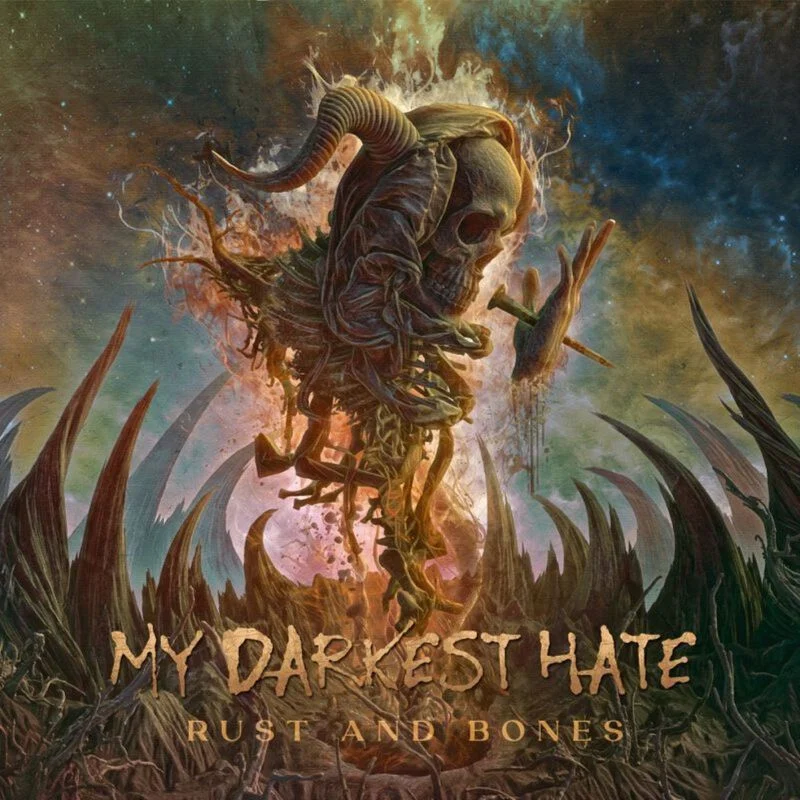
Il dietro le quinte di “Rust And Bones” ha visto l’intervento di due professionisti esperti nei rispettivi campi: il produttore Andy Classen, già al lavoro con Krisiun e Destruction, e l’artista Ramy Cooper, che ha creato per voi una copertina diversa dal solito, più orientata al mondo sci-fi. Potresti raccontarci i dettagli di queste importanti collaborazioni?
Avevamo già lavorato con Andy Classen su “Combat Area”, e per “Rust And Bones” volevamo specificamente quel suono grezzo e potente che è in grado di creare nel suo studio. Quindi è stata una decisione naturale produrre di nuovo l’album con lui. Conosco personalmente Remy Cooper da diversi anni e ho lavorato con lui ad altri progetti. Apprezzo molto la sua arte: riesce a cogliere esattamente le tue idee e ha le capacità per trasformarle in un disegno. Ecco perché ho suggerito a Jörg (Jörg M. Knittel, chitarrista della band, ndr) di dare un’occhiata al lavoro di Remy. Una volta che l’ha fatto e gli è piaciuto, la collaborazione è stata decisa rapidamente.
Come vi siete divisi i compiti di scrittura e quanto il disco si differenzia dal passato in termini di innovazione stilistica? I testi si concentrano ancora sulla guerra, sui suoi orrori e la sua brutalità?
Jörg ha sempre avuto una visione chiara per i My Darkest Hate, quindi è il principale responsabile della scrittura di musica e testi. Il resto di noi contribuisce aiutando a dare forma alle sue idee e a perfezionarle. Rispetto al passato, la scrittura dei testi è diventata più collaborativa in termini di arrangiamenti e dinamiche, soprattutto la nuova formazione ha portato una grande energia al materiale di “Rust And Bones”. Stilisticamente, siamo rimasti fedeli alle nostre radici, aggressivi e pesanti, ma cerchiamo sempre di evolverci all’interno del nostro genere. Dal punto di vista dei testi, sì, la guerra, i suoi orrori, la sua brutalità e i lati più oscuri dell’umanità sono ancora i temi centrali. Fa parte dell’identità e del messaggio della band, e continuiamo a esplorare questi argomenti con intensità e convinzione.
Le dieci tracce sono molto serrate e rappresentano una sorta di sintesi del death metal old school: aggressive, brutali, ma cariche di groove e caratterizzate da rallentamenti marzialiin mid-tempo. Bolt Thrower e Hail Of Bullets continuano a essere modelli essenziali per questo tipo di sound?
Assolutamente sì, soprattutto i Bolt Thrower sono sempre stati un’influenza fondamentale per me. La loro capacità di combinare pesantezza, groove e atmosfera è qualcosa che ammiro profondamente e che cerco di riflettere nel nostro sound. Le dieci tracce di “Rust And Bones” sono una sorta di omaggio a quello spirito old school: aggressive e brutali, ma con una forte attenzione al groove e a quelle sezioni marziali in mid-tempo che danno ai brani peso e carattere. Non stiamo cercando di reinventare il genere, piuttosto di onorarne le radici mantenendo le cose fresche e intense. Quel tipo di sound risuona ancora in noi, e chiaramente anche nel nostro pubblico.
L’album presenta due ospiti che rendono i brani in cui essi compaiono ancora più avvincenti. Iniziamo con Dave Ingram dei Benediction in “He Who Never Sleeps”: come siete finiti ad averlo a bordo? E quale cantante preferisci tra lui, Martin Van Drunen e Karl Willetts?
Avere Dave Ingram in “He Who Never Sleeps” è stato un vero onore. La collaborazione è nata in modo del tutto naturale: abbiamo sempre rispettato il suo lavoro e quando si è presentata l’opportunità di averlo nel brano, non abbiamo esitato. Il suo stile di canto si adatta perfettamente all’atmosfera del pezzo e aggiunge un livello di intensità completamente nuovo. Per quanto riguarda la scelta tra Dave Ingram, Martin Van Drunen o Karl Willetts, è dura! Tutti e tre sono delle leggende a pieno titolo e hanno plasmato il genere death metal in modi diversi. Personalmente, ammiro ognuno di loro per il loro approccio vocale unico e l’impatto che hanno avuto. Se dovessi scegliere, probabilmente direi Karl Willetts, semplicemente perché i Bolt Thrower sono stati un’enorme influenza per me. Ma, onestamente, meritano tutti un enorme rispetto.
In “Flammenland”, invece, tocca a TZ degli oggi dismessi Pessimist prendere il microfono. È per la sua presenza che avete deciso di scrivere una canzone in tedesco per la prima volta?
Jörg ha avuto l’idea di scrivere una canzone in tedesco, cosa che non avevamo mai fatto prima. Solo in seguito è nata l’idea di lavorare con un cantante ospite, ed è così che siamo finiti con TZ, che ha fatto un lavoro eccezionale. È uno di quei cantanti che urlano davvero con l’anima, cosa che personalmente apprezzo molto, visto che lavoro allo stesso modo. Dà alla voce quel tocco speciale e la spinta necessaria. Incidere la canzone con lui in studio è stata un’esperienza rinfrescante, e l’alchimia era perfetta, anche se probabilmente ha dovuto viaggiare molto più a lungo rispetto al tempo effettivo di registrazione. Sfortunatamente, la sua band, i Pessimist, si è sciolta, ma lui è ancora attivo con i Muggeseggel.
Se “From Ruins I Rise” sembra un brano autobiografico sulla vostra carriera, la conclusiva “Our Legion, Our Pride” è un inno cadenzato che pare davvero suonato alla guida di un carro armato tedesco. Cosa puoi dirci di queste due canzoni potenti, ma per certi versi molto simili?
“From Ruins I Rise” ha sicuramente un tocco personale: per me riflette gli alti e bassi, la tenacia e la passione che hanno tenuto in piedi la band nel corso degli anni. Non è propriamente autobiografica, ma veicola molte delle nostre emozioni ed esperienze. “Our Legion, Our Pride”, d’altra parte, è più una dichiarazione collettiva, anche un tributo alla scena underground, ai fan e al senso di unità che deriva dall’essere parte di qualcosa di più grande. Il groove mid-tempo, simile a quello di un carro armato, è intenzionale; è pensato per essere potente e inarrestabile, come una marcia. A mio parere, entrambi i brani condividono uno spirito simile: resilienza, orgoglio e forza. Ecco perché si completano così bene, anche se la mia interpretazione di essi è leggermente diversa.
Torniamo alla vostra storia musicale e al debutto, “Massive Brutality”, un disco incentrato sulla Seconda guerra mondiale che forse non ha ricevuto l’attenzione underground che avrebbe meritato. A parte il nuovo LP, lo considerate ancora oggi il vostro lavoro migliore?
“Massive Brutality” avrà sempre un posto speciale per noi: è stato il nostro debutto e ha dato il tono a ciò che i My Darkest Hate rappresentano. L’attenzione alla Seconda guerra mondiale gli ha conferito un’identità tematica molto diretta e intensa, e ha contribuito a definire il nostro sound fin dall’inizio. In generale, sono molto soddisfatto di ogni album che abbiamo pubblicato, perché ognuno è una macchina da guerra death metal a sé stante. Detto questo, con “Rust And Bones”, sento che abbiamo raggiunto un nuovo livello, sia musicalmente che in termini di produzione. La scrittura dei testi è più serrata, le performance più incisive e l’atmosfera generale più raffinata. Quindi, se “Massive Brutality” è stato un inizio solido, “Rust And Bones” potrebbe essere il nostro album più completo e potente sino a oggi.
I temi bellici sono molto popolari oggi, soprattutto quelli della Prima guerra mondiale, argomenti che hanno portato al successo gli ucraini 1914 e i vostri connazionali Kanonenfieber. Credi che questo interesse sia dovuto anche ai conflitti in corso?
Posso parlare solo per me. I temi bellici hanno sempre fatto parte della musica metal: per me, servono a riflettere sulla follia e la devastazione che la guerra porta con sé, non a glorificarla. Si tratta più che altro di ricordare la Storia e di mantenerla viva affinché non venga mai dimenticata e non si ripeta mai. Purtroppo, la guerra sembra essere una costante nella storia umana ed è per questo che continua a essere un argomento così potente e rilevante nell’arte e nella musica. Ma è importante affrontarla con consapevolezza, non come intrattenimento, piuttosto come promemoria di ciò che non deve mai ripetersi.
Provenite dal Baden-Württemberg, il cuore dell’industria tedesca. Proprio come la Birmingham dei Black Sabbath e dei Judas Priest, era inevitabile che i My Darkest Hate si rivolgessero al death metal? Il luogo di nascita ha influenzato la direzione artistica intrapresa dai My Darkest Hate?
È un paragone interessante, e sì, crescere nel Baden-Württemberg, circondati da industrie pesanti e macchinari, crea una certa atmosfera. Ma a essere onesti, le nostre influenze musicali non provengono dal carattere industriale della regione. Il nostro orientamento verso il death metal è stato plasmato più dalle band che ammiravamo e dalla scena underground di cui facevamo parte. Tuttavia, credo che il luogo di provenienza possa influenzare il percorso artistico in modi sottili: la cultura, l’ambiente, la mentalità. Per noi, il death metal è sembrato il modo più onesto e potente per esprimere ciò che sentivamo. È aggressivo, crudo e diretto, e questo rispecchia l’intensità a cui abbiamo sempre mirato, indipendentemente dalla geografia.
Per quanto riguarda le esibizioni dal vivo, c’è qualche data programmata in Germania da qui a fine anno. È previsto un tour di supporto all’album? O vi limiterete ad alcuni concerti selezionati?
Dato che è già novembre, non c’è molto tempo rimasto quest’anno. Abbiamo comunque programmato la nostra festa di lancio per “Rust And Bones” il giorno 8 novembre al Blast Of Eternity Festival di Heilbronn, in Germania. Per il prossimo anno, sono già in lavorazione diversi concerti in club e festival, e stiamo attualmente scrivendo nuovo materiale per il seguito di “Rust And Bones”.
Claudio, grazie mille per il tuo tempo. Cosa vorresti condividere con i nostri lettori e con tutti coloro che apprezzano la vostra musica?
Grazie per la vostra fedeltà e per averci dato ancora l’opportunità di condividere la nostra musica con voi. Grazie per il vostro amore e il vostro supporto in tutti questi anni. Sentitevi liberi di venirci a trovare ai nostri concerti e di parlare con noi: apprezziamo davvero ognuno di voi!
— ENGLISH VERSION —
Hi Claudio and welcome to SpazioRock. How are you? This is your first time on our webzine. Did you expect such great interest from an Italian media outlet?
We’re very grateful for the opportunity to talk with you about our music. I’m familiar with the Italian death metal scene and know that it has existed since the early days in the 1980s, producing many great bands over the years.
My Darkest Hate formed in 1998 and, after a series of albums between 2001 and 2006, suddenly stopped. What were the reasons for that long hiatus, which ended in 2016 with the release of “Anger Temple”?
During that time, we mainly focused on playing live shows, since we had already released four albums in a relatively short period and had enough songs to perform varied and dynamic sets. Some band members were also active in other bands that required their attention. So basicly there was no rush — and with some songs taking several months to write until they were perfect, plus the effort involved in studio recordings, artwork, and live performances, we were definitely never bored.
Your sixth record, “Rust And Bones,” has arrived almost ten years after your last album. During this long period, have you ever considered retiring, or did the second break help you better prepare for the new full-length?
Just like in the phase between “Combat Area” and “Anger Temple”, we were still active live and never completely inactive. With five albums under our belt, we simply didn’t feel the urge to write new songs. Our lyrics have always carried a message, and personally, I believe that every album should have something meaningful to say.
One aspect that really surprises me is that, ever since your second album, “To Whom It May Concern,” and despite your long break, your label has remained Massacre Records. What is the basis of this enduring bond, which I believe unites human and professional values?
Massacre Records is a label that has been active since 1991 and has played its part in helping the metal scene grow beyond national borders into what it is today. The label is also based in the same region as the band, and we’ve known each other personally for many years. We’re glad to have a professional partner at our side who shares our vision of music and has supported us for years.
Behind the scenes, “Rust And Bones” relied on two experienced professionals in their respective fields: producer Andy Classen, who previously worked with Krisiun and Destruction, and artist Ramy Cooper, who created a cover for you that was different from the usual, more sci-fi-oriented. What are the details of these two very important collaborations?
We had already worked with Andy Classen on Combat Area, and for Rust and Bones we specifically wanted that raw and powerful sound he’s able to create in his studio. So it was a natural decision to produce the album with him again. I’ve known Remy Cooper personally for several years and have worked with him on other projects. I really appreciate his art — he’s able to get exactly your idea and has the skills to transform it to a drawing. That’s why I suggested to Jörg that he check out Remy’s work. Once he did and liked what he saw, the collaboration was quickly decided.
How did you divide the songwriting duties, and how far does it differ from the past in terms of stylistic innovation? Do the lyrics still focus on war and its horrors and brutality?
Jörg has always had a clear vision for My Darkest Hate, so he’s primarily responsible for writing the music and lyrics. The rest of us contribute by helping shape and refine his ideas. Compared to the past, the songwriting has become more collaborative in terms of arrangement and dynamics, especially the new lineup will bring fresh energy for new material. Stylistically, we stay true to our roots — aggressive and heavy — but we’re always looking to evolve within our genre. Lyrically, yes — war and its horrors, brutality, and the darker sides of humanity are still central themes. It’s part of the band’s identity and message, and we continue to explore those topics with intensity and conviction.
The ten tracks are tightly written and represent a kind of synthesis of old-school death metal: aggressive, brutal, yet focused on groove and featuring martial mid-tempo slowdowns. Do Bolt Thrower and Hail Of Bullets continue to be essential models for this type of sound for you?
Absolutely — especially Bolt Thrower have always been a key influence for me. Their ability to combine heaviness, groove, and atmosphere is something I deeply admire and strive to reflect in our own sound. The ten tracks on “Rust And Bones” are a kind of homage to that old school spirit: aggressive and brutal, but with a strong focus on groove and those martial mid-tempo sections that give the songs weight and character. We’re not trying to reinvent the genre, but rather to honor its roots while keeping things fresh and intense. That kind of sound still resonates with us, and clearly with our audience too.
The album features two guests who make the songs they’re featured on even more compelling. Let’s start with Dave Ingram on “He Who Never Sleeps”: how did you end up collaborating with him? And which singer do you prefer: him, Martin Van Drunen, or Karl Willets?
Having Dave Ingram on “He Who Never Sleeps” was a real honor. The collaboration came about quite naturally — we’ve always respected his work, and when the opportunity arose to have him on the track, we didn’t hesitate. His vocal style fits perfectly with the song’s atmosphere and adds a whole new layer of intensity. As for choosing between Dave Ingram, Martin van Drunen, or Karl Willetts — that’s a tough one! All three are legends in their own right and have shaped the death metal genre in different ways. Personally, I admire each of them for their unique vocal approach and the impact they’ve had. If I had to choose, I’d probably say Karl Willetts, simply because Bolt Thrower has been such a massive influence for myself. But honestly, they all deserve huge respect.
On “Flammenland,” meanwhile, TZ from abandoned since today Pessimist takes the mic. Is that why you decided to write a song in German for the first time?
Jörg had the idea to write a song in German, which we had never done before. Only afterwards came the idea to work with a guest vocalist, and that’s how we ended up with TZ — who did an outstanding job. He’s one of those singers who truly screams from the soul, which I personally really appreciate, since I work the same way. It gives the vocals that special edge and the necessary punch. Recording the song with him in studio was a refreshing experience, and the chemistry was absolutely right — even though he probably had to travel much farther than the actual recording time lasted. Unfortunately, his band Pessimist has since disbanded, but he’s still active with Muggeseggel.
If “From Ruins I Rise” seems like an autobiographical track about your career, the closing “Our Legion, Our Pride” is a mid-tempo anthem that truly sounds like it’s being played atop a German Panzer. What can you tell us about these two powerful, yet in some ways very similar, songs?
“From Ruins I Rise” definitely has a personal touch — for myself it reflects the ups and downs, the persistence, and the passion that have kept the band going over the years. It’s not strictly autobiographical, but it channels a lot of the emotions and experiences. “Our Legion, Our Pride”, on the other hand, is more of a collective statement — also a tribute to the underground scene, to the fans, and to the sense of unity that comes from being part of something bigger. The mid-tempo, tank-like groove is intentional; it’s meant to feel powerful and unstoppable, like a march. In my opinion both songs share a similar spirit: resilience, pride, and strength – that’s why they complement each other so well, even though they approach my interpretation of them from slightly different angles
Let’s go back to your musical history and your debut album, “Massive Brutality,” a record focused on World War II that perhaps didn’t receive the underground attention it deserved. Aside from the new LP, do you still consider it your best work?
“Massive Brutality” will always hold a special place for us — it was our debut and set the tone for what My Darkest Hate stands for. The focus on World War II gave it a very direct and intense thematic identity, and it helped define our sound early on. In general, I’m very satisfied with every album we’ve released, because each one is a death metal war machine in its own right. That said, with “Rust And Bones”, I feel we’ve reached a new level — both musically and in terms of production. The songwriting is tighter, the performances are stronger, and the overall vibe is more refined. So while Massive Brutality was a strong beginning, “Rust And Bones” might be our most complete and powerful album to date.
War themes are very popular today, especially those from the World War I, brought to the success enjoyed by the Ukrainian band 1914 and your fellow countrymen Kanonenfieber. Do you think this interest is also due to ongoing conflicts?
Well, I can only talk for myself. War themes have always been part of metal music — for me to reflect on the madness and devastation that war brings and not to glorify. It’s more about remembering history and keeping those stories alive, so they’re never forgotten and never repeated. Sadly, war seems to be a constant in human history and that’s why it continues to be such a powerful and relevant topic in art and music. But it’s important to approach it with awareness — not as entertainment, but as a reminder of what must never be repeated.
You hail from Baden-Württemberg, the heart of German industry. Much like Black Sabbath and Judas Priest’s Birmingham, was it inevitable that My Darkest Hate would turn to death metal music? So, does one’s place of birth influence the artistic direction you take?
That’s an interesting comparison — and yes, growing up in Baden-Württemberg, surrounded by heavy industry and machinery, does create a certain atmosphere. But to be honest, our musical influences didn’t come from the region’s industrial character. Our direction toward death metal was shaped more by the bands we admired and the underground scene we were part of. Still, I do believe that where you come from can influence your artistic path in subtle ways — the culture, the environment, the mindset. For us, death metal felt like the most honest and powerful way to express what we felt. It’s aggressive, raw, and direct — and that matches the intensity we’ve always aimed for, regardless of geography.
Regarding live performances, there are some dates scheduled in Germany between now and the end of the year. Is a tour to support the album on the horizon? Or will you stick with a few select shows?
Since it’s already November, there’s not much time left this year. Still, we’ve planned our release party for “Rust And Bones” on November 8th at the Blast of Eternity Festival in Heilbronn, Germany. For next year, several club and festival shows are already in the works, and we’re currently writing new material for the follow-up to “Rust And Bones”.
Claudio, thank you so much for your time. What would you like to share with our readers and everyone who appreciates your music?
Thank you for your loyalty and for still giving us the opportunity to share our music with you. Thank you for your love and support over all these years. Feel free to come see us at our shows and talk to us — we truly appreciate every single one of you!