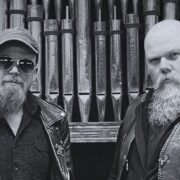
Dopo la nascita nel 1987 e la pubblicazione della storica demo “Slow Death” (1989), i Mortem, pur senza sciogliersi, sparirono nell’oblio, con i membri della line-up originale impegnati nel progetto Arcturus. Riattivatisi nel 2018, l’anno successivo i norvegesi, quasi a sorpresa, diffusero l’esordio sulla lunga distanza “Ravnsvart”, un album di classico black metal novantiano oggi seguito dal cupo “Mørketid”. Il nuovo disco segna un’evoluzione nel sound della band scandinava sia a livello di scrittura che di produzione, aspetti che il vocalist Marius Void tiene a sottolineare nelle parole rilasciate ai nostri microfoni. Perché underground non sempre equivale a dozzinale.
— SCROLL DOWN TO READ THE ENGLISH VERSION —
Ciao Marius, benvenuto su SpazioRock. Come stai?
Ciao Giovanni, grazie per avermi invitato. Va tutto bene.
I Mortem, riformatisi nel 2018, debuttarono con “Ravnsvart“, un album di puro black metal norvegese anni ’90. È stato un disco pianificato con cura o si è trattato di un parto spontaneo dopo un così lungo silenzio dalla vostra prima incarnazione datata 1987?
Sì, i Mortem si sono riformati nel 2018, ma la reunion in sé non era stata pianificata in anticipo, è avvenuta perché abbiamo avuto l’opportunità di ri-registrare “Slow Death” sotto la Peaceville Records. Una volta che abbiamo ricominciato a lavorare insieme, il nuovo materiale è venuto fuori in modo sorprendentemente naturale. Così, quando Peaceville ci ha chiesto come andavano le cose con “Slow Death”, abbiamo risposto con del materiale per un nuovo album, ovvero “Ravnsvart”. E quindi “Slow Death” è stato messo necessariamente in pausa.
Passiamo al nuovo lavoro, “Mørketid”. Fin dalle prime note, è chiaro che questo full-length, rispetto al precedente, appaia molto più raffinato in termini di suono e produzione. Il vostro intento era cercare di allontanarsi da un contesto meramente underground?
Non proprio. Non ci siamo mai seduti a discutere di diventare più commerciali o di raggiungere un pubblico più ampio, l’obiettivo è sempre stato quello di realizzare il miglior album possibile. Abbiamo dedicato molto più tempo a “Mørketid” che a “Ravnsvart”: le canzoni sono più ambiziose, gli arrangiamenti più dettagliati e naturalmente volevamo una produzione che rispecchiasse tutto questo. Consideriamo ancora i Mortem una band underground, ma non c’è nessuna regola che dica che la musica underground debba suonare male.
Anche a livello stilistico, sembra evidente come i Mortem si siano diretti verso un songwriting più sinfonico, tanto che in alcuni punti emergono echi sia degli Emperor che dei primi Dimmu Borgir. Lo considerate un vero processo evolutivo?
La definirei un’evoluzione naturale. Steinar Sverd Johnsen ha sempre scritto musica con un forte senso dell’atmosfera e delle dinamiche. Forse questi elementi sono più evidenti in “Mørketid”, perché le canzoni hanno acquisito una portata maggiore. Non ci sediamo mai dicendo: “Cerchiamo di suonare più come questa o quella band“. Se gli ascoltatori sentono tracce di Emperor o dei primi Dimmu Borgir, lo prendo come un complimento, sono entrambi parti importanti della storia del black metal norvegese. Ma i Mortem hanno sempre cercato di seguire la propria strada.
Nei Mortem suoni con due leggende del black metal, il già citato Sverd ed Hellhammer. Credi che l’intesa tra voi sia cresciuta durante la registrazione di “Mørketid”?
L’intesa cresce sicuramente ogni volta che lavoriamo insieme. Hellhammer è semplicemente uno dei batteristi più talentuosi che abbia mai incontrato. Riesce a far suonare quasi qualsiasi cosa senza sforzo. Sverd è un musicista incredibile, con una visione musicale davvero unica e una grande attenzione ai dettagli. Come persone, sono entrambi sorprendentemente normali, considerando la loro reputazione. Sono dediti al lavoro, professionali e collaborare con loro è molto facile, il che probabilmente è molto meno entusiasmante di quanto la gente si aspetti.
Dal punto di vista dei testi, quali temi affronta l’album? E chi tra voi tre è responsabile della loro scrittura?
Ho scritto la maggior parte dei testi di “Ravnsvart” e tutte le liriche dell’album “Mørketid”. I temi sono in gran parte gli stessi di “Ravnsvart”: guerra, morte, paura, oscurità, oppressione religiosa e gli aspetti più oscuri della natura umana. Il titolo stesso, “Mørketid”, può riferirsi a molte cose: oscurità storica, oscurità personale o l’incerto futuro che il mondo si trova ad affrontare oggi. Il futuro è oscuro, ovvero “Mørketid”.
Le canzoni sono spesso lunghe e sono guarniti un’atmosfera decisamente epica. Ritieni che brani come la title track o “Skyggeånd” siano i pezzi simbolo del platter o almeno i più riusciti per l’equilibrio tra ferocia e atmosfera?
No, non credo. Non ho una canzone in particolare che considero il punto di forza dell’album, ma “Mørketid”, “Skyggeånd” e “The Mighty Odius” sono quelle che lo definiscono meglio nell’insieme. Personalmente, mi piacciono molto anche “Den Sanne Gud” e “Aftermath”. Da notare i fantastici assoli di Astennu negli ultimi due brani menzionati.
Le ri-registrazioni non godono sempre di un’ottima reputazione nella scena black e death metal, soprattutto quando si tratta di vecchie uscite. Perché reputi sia stata una buona idea ripubblicare “Slow Death”, la vostra prima demo, nel 2022?
Non abbiamo mai avuto intenzione di sostituire la versione originale. Quella demo esisterà sempre e rimarrà parte della nostra storia. Lo scopo era semplicemente quello di presentare il materiale nel modo in cui ritenevamo meritasse di suonare. A giudicare dalla risposta che abbiamo ricevuto, molte persone hanno apprezzato l’opportunità di ascoltare quei brani in una nuova forma.
Marius, sei stato membro di formazioni del calibro di Arcturus e Thorns, entrambe capaci di spingersi oltre i confini del black metal classico. Cosa ti hanno insegnato tali esperienze a livello artistico e personale?
Ho avuto la fortuna di lavorare con persone di grande talento nel corso degli anni. Quando abbiamo fondato gli Arcturus, abbiamo dovuto rompere alcune barriere, come l’uso delle tastiere nella musica estrema, cosa che prima non era ben vista. Abbiamo avuto un breve periodo in cui non avevamo intenzione di seguire il tipico stile metal, come potete vedere nelle prime foto. Bisogna avere il coraggio di cavarsela da soli, di fare qualcosa di nuovo e originale, anche se a posteriori può sembrare stupido, ma ciò dimostra creatività e carattere. Per quanto riguarda i Stigma Diabolicum/Thorns, ho avuto pochissima influenza, ho scritto soltanto qualche testo. Lì sono stati Snorre e Harald Eilertsen a guidare la nave, per così dire…
Nei primi anni ’90, il black metal era visto come qualcosa di marginale, persino minaccioso, mentre oggi è studiato nelle università ed esposto nei musei. Te lo saresti mai aspettato?
È piuttosto strano, onestamente, ho sentimenti ambivalenti al riguardo. A volte penso che sia fantastico che sia commerciale e accettato, altre volte vorrei che fosse ancora musica underground e che la gente avesse paura di questa musica. Probabilmente perché vivo nei vecchi ricordi di Helvete.
Invece, qual è la situazione attuale per quanto riguarda le esibizioni dal vivo? Sono previsti concerti, magari un tour europeo? O i Mortem rimarranno prevalentemente un progetto da studio?
I Mortem intendono sicuramente continuare a esibirsi dal vivo. Il nostro primo concerto con materiale tratto da “Mørketid” si terrà al Nuclear Winter Festival in Germania nell’ottobre del 2026, e nel gennaio del 2027 ci esibiremo all’Orgivm Satanicvm VI. Oltre a questo, stiamo valutando altre opportunità e speriamo di esibirci più frequentemente in futuro. I Mortem non èsono certamente destinati a essere solo un progetto in studio.
Marius, grazie mille per il tuo tempo. Qualche parola di commiato?
Grazie per l’intervista e per il vostro supporto ai Mortem. A tutti coloro che hanno seguito la band nel corso degli anni e a coloro che ci stanno scoprendo solo ora, siamo grati per il vostro interesse. Saluti!
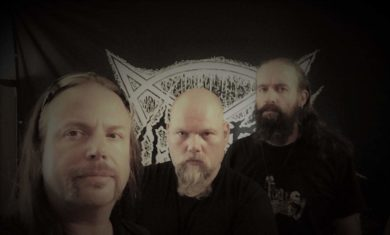
— ENGLISH VERSION —
Hi Marius, welcome to SpazioRock. How are you?
Hello Giovanni, thank you for having me. Things are ok.
Mortem, re-formed in 2018, debuted with “Ravnsvart,” a pure ’90s Norwegian black metal album. Was it a carefully planned full-length, or was it more of a spontaneous release after such a long silence since your first incarnation dated 1987?
Yes, Mortem reformed in 2018. The reunion itself was not planned in advance. It happened because we got the opportunity to re-record “Slow Death” at Peaceville. Once we started working together again, new material came surprisingly naturally. So, when Peaceville asked how everything was going with “Slow Death”, we answered with materials for a new album – “Ravnsvart”. “Slow Death” had to be put on hold.
Let’s move on to the new record, “Mørketid”. From the first notes, it’s clear that this album, compared to its predecessor, is much more refined in terms of sound and production. Was your intention to try to distance yourself from a purely underground context?
Not really. We have never sat down and discussed becoming more commercial or reaching a broader audience. The goal has simply been to make the best album possible. We spent considerably more time on “Mørketid” than on “Ravnsvart”. The songs are more ambitious, the arrangements more detailed and naturally we wanted a production that reflected that. We still consider Mortem an underground band, but there is no rule saying underground music has to sound bad.
Even from a stylistic point of view, it is manifest how Mortem have moved towards a more symphonic oriented songwriting, so much so that echoes of both Emperor and first Dimmu Borgir emerge in places. Do you consider this an evolutionary process?
I would call it a natural evolution. Steinar Sverd Johnsen has always written music with a strong sense of atmosphere and dynamics. Perhaps those elements are more noticeable on “Mørketid” because the songs have become larger in scope. We never sit down and say: “Let’s sound more like this band or that band.” If listeners hear traces of Emperor or early Dimmu Borgir, I take that as a compliment. They are both important parts of Norwegian black metal history. But Mortem has always tried to follow its own path.
In Mortem, you play with two black metal legends, Sverd and Hellhammer. Do you think the chemistry between the three of you grew during the recording of “Mørketid”?
The chemistry definitely grows every time we work together. Hellhammer is simply one of the most gifted drummers I have ever met. He can make almost anything sound effortless. Sverd is an incredible musician with a very unique musical vision and attention to detail. As people, they are both surprisingly normal considering their reputations. They are dedicated, professional and easy to work with. Which is probably much less exciting than people expect to hear.
Lyrically speaking, what themes does the album address? And who among the three of you is responsible for writing them?
I wrote most of the lyrics on “Ravnsvart” and all of the lyrics for “Mørketid” album. The themes are largely the same as they were on “Ravnsvart”. War, death, fear, darkness, religious oppression and the darker aspects of human nature. The title itself, “Mørketid”, can refer to many things. Historical darkness, personal darkness or the uncertain future facing the world today. The future is dark, “Mørketid”.
The songs are often long and have a distinctly epic feel. Do you think songs like the title track or “Skyggeånd” are the album’s defining tracks, or at least the most successful ones for their balance between ferocity and atmosphere?
No, I don’t think so. I don’t have a particular song that I feel defines the album, but “Mørketid”, “Skyggeånd” and “The Mighty Odius” are the ones that define it best together. Personally, I also really like “Den Sanne Gud” and “Aftermath”. Notis the fantastic solos by Astennu on the last two mentioned.
Re-recordings don’t always enjoy the best reputation in the black and death metal scene, especially when it comes to old school releases. Why do you think it was a good idea to re-release “Slow Death,” your first demo, in 2022?
We never intended to replace the original version. That demo will always exist and remain part of our history. The purpose was simply to present the material the way we felt it deserved to sound. Judging by the response we received, many people appreciated having the opportunity to hear those songs in a new form.
Marius, you were a member of two historic bands like Arcturus and Thorns, both of which pushed the boundaries of classic black metal. What did those experiences teach you on an artistic and personal level?
I have been fortunate to work with some very talented people throughout the years.
When we started Arcturus we had to break some barriers, like using keyboards in the music, it wasn’t well liked before. We had a short period where we weren’t going to go in the typical Metal style, as you can see in early pictures. You have to dare to stand on your own two feet, dare to do something new and original, even if it may seem stupid in retrospect, it shows that you are creative and have a backbone. When it comes to Stigma Diabolicum/Thorns, I have had very little influence. I have written a few lyrics. There it was Snorre and Harald Eilertsen who steered the ship, so to speak…
In the early 1990s, black metal was viewed as something marginal, even threatening. Today, it is studied in universities and featured in museums. Would you ever have expected that?
It is quite strange, honestly. I have ambivalent feelings about this. Some days I think it’s great that it’s commercial and accepted. Other days I wish it was still underground music and that people were afraid of the music. Probably because I live in old memories from Helvete.
And what’s the current situation regarding live performances? Are there any upcoming concerts planned, perhaps a European tour? Or will Mortem remain predominantly a studio project?
Mortem definitely intends to continue performing live. Our first concert featuring material from “Mørketid” will take place at Nuclear Winter Festival in Germany in October 2026, and in January 2027 we will performe at Orgivm Satanicvm VI. Beyond that, we are looking at additional opportunities and hope to perform more frequently in the future. Mortem is certainly not intended to only be a studio project.
Marius, thank you so much for your time. What parting words would you like to leave us?
Thank you for the interview and for your support of Mortem. To everyone who has followed the band throughout the years, and to those who are only now discovering us, we are grateful for your interest. Cheers!