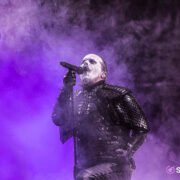
In principio nata come tribute band dei Death, con l’interesse a portare a livello live album come “Scream Bloody Gore” (1987) e “Leprosy” (1988), i Left To Die hanno deciso di incidere un particolare album di cover, “Initium Mortis”, ri-registrando alcuni brani tratte dalle vecchie demo della creatura di Chuck Schuldiner e anche dei Mantas, prima incarnazione del gruppo stesso. Le parole del frontman e chitarrista Matt Harvey, già mastermind di Exhumed e Gruesome, ci rivelano le ragioni di tale recupero e quanto non sia così semplice, benché doveroso, onorare al meglio la memoria di una vera e propria leggenda del death metal. Nostalgia canaglia…
— SCROLL DOWN TO READ THE ENGLISH VERSION —
Ciao Matt e benvenuto sulle pagine di SpazioRock. Come stai? Forse un po’ stanco, visto che tra Exhumed, Gruesome e Left To Die non credo ti manchi il lavoro, vero?
Ehi, sono un po’ esausto in questo fine settimana, perché Gus Ríos, il batterista dei Left To Die, Ross Sawage, il bassista degli Exhumed e io abbiamo appena partecipato, lo scorso giovedì, a un grande evento, il San Diego Comic-Con International, per la versione ri-registrata della colonna sonora del film d’animazione “Transformers: The Movie”. Quindi sì, sono sommerso di lavoro al momento, il che non è necessariamente una brutta cosa (ride, ndr).
Ora parliamo dei Left To Die. Quando hai iniziato a suonare dal vivo con Rick Rozz e Terry Butler nel 2022, avresti mai pensato che la band avrebbe riscosso così tanto successo tra i fan dei Death?
Non ero sicuro di come la gente l’avrebbe presa, ma credo che i fan possano percepire la sincerità del nostro approccio e, ovviamente, Rick e Terry sono figure molto importanti nella storia dei Death, quindi naturalmente le persone li sosterranno e saranno almeno curiose di conoscere i Left To Die. Detto questo, sono sempre un po’ nervoso all’idea di prendere il posto di Chuck, ed è una sensazione che provo sempre, in misura maggiore o minore, ogni volta che saliamo sul palco. C’è quella sensazione di “chi diavolo mi credo di essere?“, capisci? Ma sono stato estremamente fortunato che così tanti fan dei Death abbiano apprezzato quello che facciamo, venendo ai concerti, comprando le magliette e cose del genere. Ora spero che ascoltino “Initium Mortis” e che piaccia anche a loro.
I Left to Die sono un gruppo che si concentra sul materiale più vecchio dei Death, e stiamo parlando di album eccezionali come “Scream Bloody Gore” e “Leprosy”. Considerato che ne sei il frontman e il chitarrista, senti mai la pressione di dover competere con una leggenda come Chuck Schuldiner? E pensi di essere in qualche modo il suo erede?
Sento molta pressione, ma non si tratta di competizione, bensì di rispetto. Nessuno sarà “il prossimo” o “il nuovo” Chuck, non è nemmeno un’ipotesi da prendere in considerazione. Non sono il suo erede, sono solo un fan che cerca di aiutare Terry e Rick a suonare al meglio le canzoni a cui sono associati e a onorare tale legato musicale dando il massimo in ogni concerto, in ogni riff, assolo e parte vocale, perché non meritano niente di meno. La mia speranza è che, se faccio un buon lavoro, il pubblico riesca a dimenticarsi di me e a godersi semplicemente la musica, perché in fondo è questo che conta. Soprattutto mi sento incredibilmente fortunato che questi ragazzi vogliano che io suoni queste canzoni con loro, quindi non voglio deluderli, tanto quanto, se non di più, non voglio deludere il pubblico, perché anch’io sono un fan. È da lì che vengo. Ma proprio perché sono un fan, mi diverto un mondo a suonare questi brani, perché li adoro e sono orgoglioso delle interpretazioni che ne diamo.
Passiamo al debutto dei Left To Die, “Initium Mortis”. La prima domanda che vorrei porti sul disco è questa: perché avete deciso di non scrivere nuovi brani, ma di ri-registrare quelli vecchi? Ci sarà la possibilità di ascoltare in futuro delle canzoni originali?
Avevo la sensazione che i metri di paragone con cui saremmo stati giudicati sarebbero stati “Scream Bloody Gore” e “Leprosy”, album impossibili da eguagliare, figuriamoci da superare, ma tornare indietro nel tempo e riprendere i lavori di Rick con Kam Lee e Chuck era un modo per ottenere una serie di risultati positivi. Pensavo che la qualità di registrazione e di esecuzione delle demo e delle prove originali fosse qualcosa che potevamo migliorare, rendendole più chiare, più forti e più udibili, e che avremmo potuto far luce su del materiale che molti fan dei Death, persino i più accaniti, magari non hanno mai sentito o a cui non hanno prestato molta attenzione. Ritenevo inoltre che avremmo potuto mettere sotto i riflettori un periodo della band a cui Rick era direttamente legato come chitarrista e compositore, il che avrebbe dato credibilità al disco e lo avrebbe reso meno cinico; e, ultimo punto, lo ammetto, egoistico, mi avrebbe aiutato a evitare paragoni con Chuck nel suo periodo di massimo splendore, crudo e brutale, che inevitabilmente e giustamente mi avrebbero fatto fare una figuraccia al confronto (ride, ndr).
Ho notato che avete estrapolato tracce dalle demo “Death Metal”, “Live Tape #2”, “Reign Of Terror” e “Infernal Death”, tutte originariamente incise tra il 1984 e il 1985, oltre a materiale proveniente da una registrazione intitolata “Rehearsal #3”, sempre del 1984 e opera dei Mantas, prima incarnazione dei Death. Come si è sviluppato questo processo di selezione?
Ho riascoltato i miei vecchi bootleg, l’album dei Mantas pubblicato dalla Relapse Records e ho persino trovato alcune cose su YouTube che non conoscevo – credo che “Rigor Mortis” e “Seizure” fossero gli unici due brani che non avevo mai sentito prima – e ho semplicemente iniziato a realizzare delle demo di cose che mi piacevano davvero. Ho registrato delle demo anche per alcune tracce che non sono finite sull’album, come “Back From The Dead”, “Curse Of The Priest” e un paio di altre. Alla fine, ho semplicemente inviato tutto ai ragazzi e abbiamo cercato di selezionare i pezzi che avrebbero permesso la creazione di un disco dal suono coeso, non una compilation di canzoni diverse e disparate. Penso che siamo praticamente riusciti a mettere insieme qualcosa che sembra un vero e proprio disco, in cui tutte le canzoni e l’ordine stesso delle tracce si influenzano a vicenda, contribuendo a creare un’opera completa con un suono e un’attitudine ben definiti. Capisco che un brano come “Skill To Kill” sarebbe stato un vero e proprio elemento anomalo in mezzo a queste tracce e avrebbe reso l’album meno coeso, anche se adoro quel pezzo e mi è dispiaciuto che non sia stato incluso nell’album.
Considerando che le canzoni di “Initium Mortis” sono state originariamente incise su cassette e demo fatte in casa, in che modo avete proceduto con la registrazione, il mixaggio e la masterizzazione dell’album? È stato un processo delicato o più semplice del previsto?
È stata sicuramente una sfida decifrare alcune di quelle vecchie registrazioni. Esistono diverse versioni di molte di queste canzoni e ogni versione spesso varia parecchio, dato che le performance su questi nastri erano opera di ragazzi. Questi ragazzi non arrangiavano le loro canzoni, né creavano metronomi o modelli per le sessioni in studio. Si lasciavano semplicemente andare in un garage, ed è quell’entusiasmo che rende tali tracce così speciali. Quindi la parte delicata è stata trovare un equilibrio tra la conservazione di quell’energia grezza e organica e l’utilizzo di moderne attrezzature e tecniche di registrazione. A questo si è aggiunto il tentativo di decifrare i testi, perché, sfortunatamente, c’è troppo rancore e storia passata nel gruppo dei Massacre per coinvolgere Kam Lee in questo disco, il che è un peccato, dato che da fan adoro la sua voce e le sue liriche, e il suo contributo a questi primi brani è fondamentale e merita tutto il rispetto dei fan.
I Death si sono evoluti molto nel corso della loro carriera, ma i Left To Die, come dimostra “Initium Mortis”, sono interessati al lato più crudo e grezzo della band di Chuck. Qual è il tuo rapporto con i tre album successivi a “Human”? Rimasi “deluso” all’epoca?
In realtà, dopo “Human”, ho smesso di prestare attenzione, quindi non ero tanto deluso, quanto disinteressato. Avevo la sensazione che molte band si stessero evolvendo in qualcosa di diverso da quello che consideravo puro death metal – non solo i Death, ma anche Entombed, Carcass e molti altri. All’epoca, tra il ’93 e il ’97, ascoltavo principalmente dischi della Morbid Records, realizzati da gruppi come Dead Infection, Regurgitate, Haemorrhage, oltre che band powerviolence emergenti come Man Is The Bastard, Crossed Out e Infest, oltre a riscoprire formazioni degli anni ’80 quali Iron Angel, Protector, Infernal Majesty e altre. Non compravo dischi di gruppi contemporanei, a parte gli ultimi due album dei Carcass – prima della loro reunion –, degli At The Gates e i primi due lavori di Dissection e In Flames. Sicuramente, i primi lavori dei Death mi stanno più a cuore perché sono quelli con cui sono cresciuto, ma penso che “Human” e “Symbolic” siano entrambi dischi fantastici. Non apprezzo molto la produzione di “Individual Thought Patterns”, ma ci sono comunque molti brani davvero validi nell’album. E, diciamocelo, anche il peggior album dei Death è comunque migliore del miglior album di molte band.
Nel materiale promozionale di “Initium Mortis”, i Left To Die ringraziano la sorella di Chuck, Beth, che detiene i diritti delle canzoni dei Death, e la famiglia Schuldiner. Hanno mai mostrato segni di impazienza o fastidio nei vostri confronti?
Sono sempre stati estremamente gentili con me, il che è fantastico. Beth e Christopher (Steel, nipote di Chuck Schuldiner, ndr) sono venuti al nostro concerto a Tampa e sono stati davvero cortesi. Beth mi ha raccontato delle belle storie sui primi concerti, quando Chuck era un adolescente, e sono stati molto cordiali riguardo al concerto e alla band in generale. C’erano molti vantaggi evidenti nel lavorare con la Relapse – le nostre altre band come Exhumed, Obituary e Gruesome sono tutte sotto contratto con la Relapse –, ma uno dei più importanti era il loro stretto rapporto di lavoro con gli Schuldiner e con gli eredi di Chuck, quindi la struttura legale e il quadro normativo per amministrare correttamente tutte le royalty e i diritti d’autore. Insomma, le cose erano già ben definite e tutto è stato trasparente e corretto fin dall’inizio. La famiglia di Chuck è stata fantastica con noi nel fare il nostro lavoro e fantastica con l’etichetta e con i fan dei Death in generale.
Oltre ai Left To Die, esiste un’altra band che rende omaggio ai Death, i Death To All. Non pensi che ci siano forse troppi tributi di questo genere in giro per il mondo? O credi che sia positivo suonare dal vivo e ovunque gli album di Chuck?
Credo che con i Left To Die stiamo facendo qualcosa di molto specifico, nel senso che ci concentriamo soltanto sul materiale in cui Rick e Terry sono stati direttamente coinvolti, il che ci distingue nettamente dai Death To All. Non sentirete “Crystal Mountain” a un nostro concerto. Penso che sia molto positivo che entrambe le band siano attive; dopotutto, una cosa che i Death hanno in abbondanza sono gli ex membri e le diverse formazioni che si sono succedute nel corso della loro storia. Conosciamo e apprezziamo tutti i ragazzi dei Death To All, e credo che quello che fanno sia fantastico. Ed è fantastico che Max Phelps sia lì a cantare e suonare pezzi come “Jealousy” e “Perennial Quest”, così non devo farlo io, perché quei pezzi sono davvero difficili da suonare (ride, ndr).
Matt, oltre ad averti visto dal vivo con i Left To Die, ho assistito di recente al concerto dei Gruesome e degli Exhumed al Traffic Live Club di Roma. Qual è la tua routine di allenamento, soprattutto vocale, per affrontare al meglio tutti questi live?
Non ho una routine particolarmente specifica. Ora evito di bere birra ai concerti perché mi secca troppo la gola e il liquido freddo mi chiude le vie respiratorie, ma il whisky mi sembra che mi aiuti un po’. Cerco di non parlare troppo durante il giorno e di evitare assolutamente di urlare e strepitare fuori dal palco. A parte questo, faccio semplicemente quello che mi pare. Ho un modo di cantare vecchio stile o forse semplicemente un modo non allenato e ignorante, perché cantare mi fa male, cosa che ho sempre pensato fosse appropriata per il death metal. Anni fa, mi sono sorpreso quando ho scoperto che la maggior parte dei cantanti non prova dolore quando canta, ma quello che faccio funziona per me e ha senso, quindi continuo così.
Un’ultima domanda riguarda l’album degli Exhumed uscito lo scorso marzo, “Red Asphalt“. Ti sorprende un po’ che siate stati la prima band death metal a scrivere un concept album sui pericoli delle strade americane?
Soltanto un po’? Penso che forse questo concept non sia stato sfruttato perché non è palesemente “malvagio” o “oscuro” o altro, ma credo che sia proprio questo il suo punto di forza. Sembra un po’ più sovversivo prendere qualcosa che viene romanticizzato come simbolo della libertà americana e sottolineare quanto sia incredibilmente pericoloso e come causi decine di migliaia di morti ogni anno. Inoltre, è una bella rivisitazione dei cliché del rock and roll on the road che adoro, quelli degli AC/DC, dei Kiss e di molti, molti altri.
Matt, sei anche membro dei Dekapitator, dei Pounder, dei Cold Slither, degli Scarecrow e degli Expulsion. Da dove viene questa spinta quasi compulsiva a suonare? Questa vita ti basta o avresti bisogno di un’altra?
Mi piace semplicemente suonare e credo che la creatività sia come un muscolo: più la usi, più si rafforza, più sei in grado di fare. Come diceva John Williams: “La musica basta per una vita intera, ma una vita intera non basta per la musica“.
Matt, grazie mille per il tuo tempo. Hai qualche messaggio speciale per il pubblico italiano e per i nostri lettori?
Grazie per aver trovato il tempo di parlare con me e del disco. Che vi piaccia o no, sappiate che è stato realizzato con amore e rispetto per Chuck e per quei giorni formativi del death metal, quando tre adolescenti facevano rumore in un garage ad Altamonte Springs!
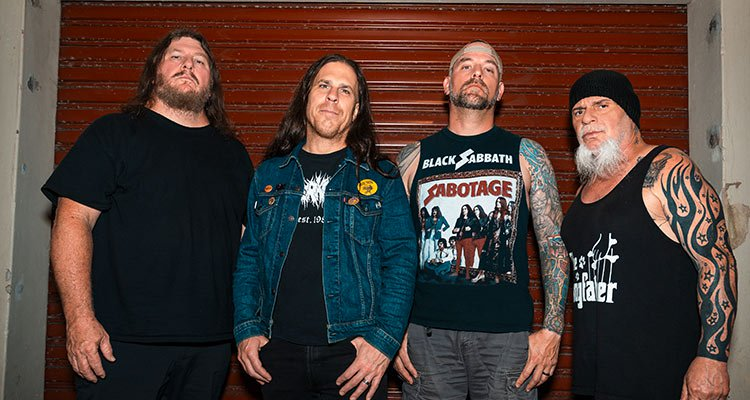
— ENGLISH VERSION —
Hi Matt, and welcome to SpazioRock. How are you? Maybe you’re a bit tired, since between Exhumed, Gruesome and Left To Die I don’t think you’re short of work, right?
Hey, I am a bit exhausted this weekend, as (Left to Die drummer) Gus (Ríos), (Exhumed bassist) Ross and I just did a big event for the re-recorded version of the “Transformers” Animated Movie soundtrack at San Diego Comic Con on last Thursday, so yeah, I am swamped with work at the moment, which isn’t necessarily a bad thing (he laughs).
Now we’re focusing on Left To Die. When you started playing live with Rick Rozz and Terry Butler in 2022, did you ever think Left To Die would be so successful among Death fans?
I wasn’t sure how people would feel about it, but I think that the fans can see the sincerity in our approach and of course, Rick and Terry are very important parts of the history of Death, so naturally people would be supportive of them and at least curious about Left to Die. That said, I’m always a little nervous about stepping into Chuck’s shoes, and that’s a feeling that’s always there to one degree or another every night we get onstage. There’s that feeling of “who the fuck do I think I am?” you know? But I’ve been extremely fortunate that so many Death fans have gotten into what we’re doing, coming to the gigs, buying the shirts, etc. And now, hopefully they check out “Initium Mortis” and dig that as well.
Left to Die is a band that focuses on Death’s older material, and we’re talking about exceptional albums like “Scream Bloody Gore” and “Leprosy.” Since you’re the frontman and guitarist, do you ever feel the pressure of having to compete with a legend like Chuck Schuldiner? And do you think you’re some sort of heir to him?
I feel a lot of pressure, but it’s not a case of competition, it’s a case of respect. Nobody will be “the next” or “the new” Chuck, that’s not even a consideration. I’m not his heir, I’m just a fan that is trying to help Terry and Rick play the songs they’re associated with in the best way that I can and live up to the legacy of the music by giving every gig and every riff and solo and vocal part as much effort as I can, because they deserve nothing less. My hope is that if I’m doing a good job, the audience will be able to kind of forget about me and just enjoy the material – because that’s really what it’s all about. Mostly I feel incredibly lucky that these guys want me to do these songs with them, so I don’t want to let them down, just as much and maybe even more than I don’t want to let down the audience, because I’m a fan, too. That’s where I come from. But because I’m a fan, I also have a great fucking time doing these songs, because I love them and I’m proud of the renditions that we do.
Let’s move on “Initium Mortis.” The first question I’d like to ask you about the album is this: why did you decide not to write new songs, but to re-record old ones? Will there be a chance to hear original Left To Die tracks in the future?
I felt that the yardstick we’d be measured against would be “Leprosy” and “Scream Bloody Gore”, which would be impossible to equal, let alone to top, but going backward into stuff that Rick worked on with Kam Lee and Chuck was a way to accomplish a bunch of positive things: I thought that the recording and playing quality of the original demos and rehearsals was something we could improve on, just in terms of making them clearer, louder and more audible; I thought we could shine a light on material that a lot of even die-hard Death fans might not have heard or paid much attention to; I thought we could spotlight an era of the band that Rick was directly linked to as a guitarist and songwriter, which would give the record credibility and make it feel less cynical; and, the last thing is admittedly selfish, it would help me avoid comparisons to Chuck in his raw, brutal prime which would inevitably and correctly make me look a bit shit in comparison (he laughs).
I noticed you’ve selected tracks from the demos “Death Metal,” “Live Tape #2,” “Reign of Terror,” and “Infernal Death,” all originally recorded between 1984 and 1985, as well as material from a 1984 recording titled “Rehearsal #3,” by Mantas, the first incarnation of Death. How did this selection process unfold?
I went through my old bootlegs, the Mantas LP that Relapse did and even found a few things on YouTube I wasn’t familiar with – I think “Rigor Mortis” and “Seizure” were the only two tracks I hadn’t heard before and just started making demos of stuff I really liked. I did demos for a few songs that didn’t make the album like “Back From The Dead”, “Curse Of The Priest” and a couple of others as well. At the end of the day, I just sent everything to the guys and we tried to pick stuff out that would create a cohesive sounding record, not like a compilation of different, disparate tracks. I think we pretty much succeeded in putting together that sounds like a record, where all the songs and the track order kind of feed into and off of each other to create a whole thing with a distinct sound and attitude. I can see where a tune like “Skill To Kill” would have been a real outlier with these tracks and would have made the record feel less cohesive, even though I love that tune and was bummed out that it didn’t make the cut for the album.
Considering that the songs on “Initium Mortis” were originally recorded on homemade cassettes and demo tapes, how did you go about recording, mixing, and mastering the album? Was it a delicate process or easier than expected?
It was definitely a challenge to decipher some of those old recordings. There are multiple versions of a lot of these songs and each version often varies quite a bit as the performances on these tapes were done by kids. These guys weren’t charting out their songs or building click tracks or studio session templates. They were just letting it rip in a garage, and that’s the enthusiasm that makes these tracks so special. So the delicate part was finding a balance between preserving that raw and organic energy using modern recording equipment and techniques. That and trying to decipher the lyrics, because unfortunately there’s too much bad blood and history in the Massacre camp to get Kam Lee involved with this record, which is a shame, as I love his voice and lyrics as a fan and his contributions to these early tunes are vital and very worthy of the fans’ respect.
Death has evolved a lot over the course of their career, but Left To Die, as “Initium Mortis” demonstrates, prefers to delve into its raw, horrific side. What’s your relationship with the three albums following “Human”? Were you “disappointed” at the time?
Really after Human I kind of stopped paying attention, so I wasn’t so much disappointed as disinterested. I felt like so many bands were kind of evolving into something outside of what I would’ve considered pure Death Metal – not just Death, but Entombed, Carcass and many others. At the time, ‘93-’97, I was primarily listening to a lot the stuff on Morbid Records like Dead Infection, Regurgitate, Haemorrhage as well as the emerging powerviolence stuff like Man is the Bastard, Crossed Out and Infest, and rediscovering 80s bands like Iron Angel, Protector, Infernal Majesty etc. I wasn’t really getting records from current bands aside from the last couple of Carcass records (until their reformation), At The Gates and the first couple of records from Dissection and In Flames. I definitely hold the earlier Death stuff closer to my heart as that’s what I grew up with, but I think “Human” and “Symbolic” are both fantastic records. I don’t care so much for the production on “Individual Thought Patterns,” but there are still a lot of really strong tracks on the album. And, let’s be honest, the worst Death album is still better than the best album from a lot of bands.
In the promotional material for “Initium Mortis”, Left To Die thank Chuck’s sister Beth, who owns the rights to Death’s songs, and the Schuldiner family. Did they ever show any signs of impatience or annoyance toward you?
They have only been extremely warm to me, which is amazing. Beth and Christopher came to our Tampa show and we just lovely. Beth regaled me with some great stories about early gigs when Chuck was a teenager and they were really kind about the gig and the band in general. There were so many obvious advantages to working with Relapse (our other bands like Exhumed, Obituary and Gruesome are all on Relapse), but a big one was that they have a close working relationship with the Schuldiners and with Chuck’s estate, so the legal and framework to properly administer all the royalties, publishing, etc. was already firmly in place, so everything would be above board and transparent from the word go. Chuck’s family has been great with us doing our thing, and great with the label and with Death fans in general.
Besides Left To Die, there’s another band that pays homage to Death: Death To All. Don’t you think there are perhaps too many Death tributes around the world? Or do you think it’s a positive thing to play Chuck’s albums live and everywhere?
I think we’re doing something very specific with Left to Die, insofar as we just focus on the stuff that Rick and Terry were directly involved in, so that puts a lot of daylight between us and Death to All. You’re not going to hear “Crystal Mountain” at one of our gigs. I think it’s very positive that both bands are going, after all, one thing Death has an abundance of is former members and different lineups through the band’s history. We know and love all the DTA guys, and I think what they do is fantastic. It’s great that Max Phelps is out there singing and playing tracks like “Jealousy” and “Perennial Quest” so I don’t have to do it, because that stuff is really difficult to play (he laughs).
Matt, besides seeing you on stage with Left To Die, I recently attended Gruesome and Exhumed’s concert at Traffic Live Club in Rome. What’s your training routine, especially vocally, to best cope with all these live shows?
I don’t have a terribly specific routine or anything. I avoid drinking beer at gigs now as it dries out my throat too much and the cold fluid closes your throat, but whiskey / whisky feels like it helps a bit. I try not to talk too much during the day and definitely avoid yelling and screaming offstage. Beyond that, I just kind of do my thing. I have an old-school way of doing vocals, or maybe just an untrained, ignorant way, because the vocals themselves hurt, which I always thought was appropriate for Death Metal. I was surprised years ago when I learned that most vocalists are not in pain when singing, but what I’m doing is working for me, and it makes sense to me, so I just keep at it the way I always have.
One last question concerns Exhumed’s latest album, “Red Asphalt,” released this year. Does it surprise you a little bit that you were the first death metal band to write a concept album about the dangers of American roads?
A little bit? I think maybe this concept hasn’t been used because it’s not obviously “evil” or “dark” or whatever, but I think that’s what’s great about it. It feels a bit more subversive to take something that is romanticized as a symbol of American freedom and point out that it’s incredibly dangerous and kills tens of thousands of people every year. Plus, it’s a neat twist on the Rock and Roll road cliches that I love from AC/DC, Kiss and many, many others.
Matt, you’re also a member of Dekapitator, Pounder, Cold Slither, Scarecrow, and Expulsion. Where does this almost compulsive urge to play come from? Is this life enough for you, or do you need another?
I just enjoy playing music and I feel that creativity is like a muscle, the more you use it, the stronger it gets, the more you’re able to do. It’s like John Williams said, “music is enough for a lifetime, but a lifetime is not enough for music.”
Matt, thank you so much for your time. Do you have any special messages for the Italian public and our readers?
Thank you for taking the time to talk to me and about the record. Whether you love it or hate it, please know that it was made with love and respect for Chuck and those formative days of Death Metal when three teenagers were making noise in a garage out in Altamonte Springs!