Il primo commento che appare sotto al videoclip ufficiale di “Feel It Still” è di quattro anni fa, temporalmente a metà tra l’uscita della canzone e questa intervista. Il tono è perentorio: “Questo video avrebbe un miliardo di visualizzazioni, oggi, se riuscissero a trovarlo tutti”. Al secondo commento, che chiede “una preghiera per tutti quelli che stanno ancora cercando questa canzone”, rispondono gli autori del brano: “Ma è davvero così difficile da trovare?”
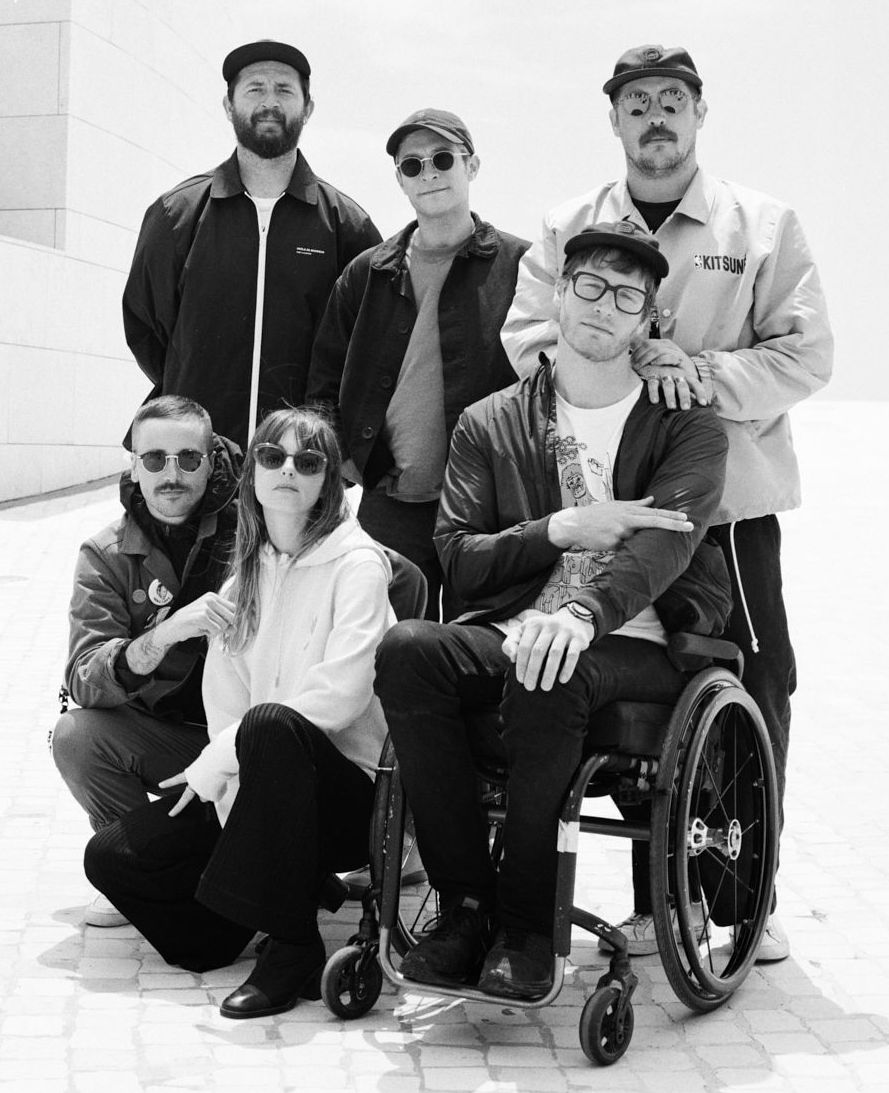
Di sicuro loro stessi non facilitano l’impresa, conclude chi scrive sfogliando invano la selezione di videoclip in evidenza sul canale dei Portugal The Man, l’ultimo pomeriggio di Sziget, col forte dubbio che l’intervista non si farà (aleggia la voce, in area stampa, che John Gourley sia ammalato; per fortuna in serata va tutto per il meglio, come commenta il diretto interessato mentre ci accomodiamo per la chiacchierata). “Feel It Still” è stata, del resto, una hit inaspettata, arrivata dopo più di un decennio di carriera e sette album alle spalle (il settimo, “Evil Friends”, è quello che si prende di prepotenza buona parte della scaletta del giorno). Un Grammy nell’ambito del pop, tra tutti i generi, per un gruppo noto per le influenze dal rock psichedelico, e un’attenzione improvvisa verso un progetto che ha sempre riguardato anche questioni di attivismo e di partecipazione politica e sociale. E allora come conciliare il successo con i propri principi artistici e morali? Il frontman dei Portugal The Man ci offre qualche spunto di riflessione.
— SCROLL DOWN TO READ THE ENGLISH VERSION —
Ciao e benvenuto a SpazioRock! Come stai?
Sto alla grande!
Be’, hai appena suonato sul Main Stage del Sziget Festival: fantastico, eh?
È stato divertentissimo. Davvero figo, tutti qui erano gentilissimi, e non avevo mai avuto davvero modo di andare in giro e vedere com’erano le cose da queste parti. È una città splendida, ne amo l’arte e ne amo le persone. È stato davvero, davvero piacevole: non riesco a credere di non essere venuto qui prima.
Cosa vuol dire, per voi, suonare qui?
Be’, per me, come band, facciamo i tour da tantissimo tempo: essere in un posto nuovo, un ambiente nuovo, è sempre molto entusiasmante. Ti fa sentire un po’ in ansia, perchè non eravamo mai stati qui. Ma è stato veramente bello. Per me essere qui rappresenta una nuova vita e nuove cose emozionanti.
È una bella cosa, anche perchè finora è stata, penso, una strana stagione per i festival; e volevo chiederti, visto che siete sempre stati molto attenti al lato dell’attivismo…
Sì: dovrei essere arrabbiato perchè i Kneecap non possono entrare nel paese?
Perdonami?
Parlavo del fatto che i Kneecap non possono entrare nel paese.
Ah, be’, quella è probabilmente una delle vicende principali. Suppongo che sia una stagione strana in generale, per i festival: artisti che si ritirano dai festival, emittenti più “attente” a quali artisti mandare in onda…
Già: chi è che può farlo?
Quale pensi che sia il ruolo che la musica dovrebbe avere, in questo caos? Come pensi che la musica dovrebbe rispondere agli eventi d’attualità e alla necessità di parlarne?
Be’, la musica è espressione. L’arte è espressione. E non penso che dovremmo censurare gli artisti: dovremmo poter dire quello che pensiamo. E penso che sia abbastanza ovvio quello che sta accadendo nel mondo. Non c’è proprio modo delicato di metterla: penso che il fatto che a qualcuno non sia permesso di entrare in un paese perché parla delle cose in cui crede sia una porcheria. L’arte dovrebbe rappresentare la sua epoca.
A maggior ragione per voi, che come band vi siete sempre esposti tanto su certe cause. Per esempio, dopo i festival tornerete negli Stati Uniti per un tour che avete chiamato Denali: è il nome indigeno di un monte in Alaska – o meglio, una volta lo era –, giusto?
Hanno tentato di cambiarlo due volte, già.
Davvero?
Sì, ci sono tutte queste cose, da noi: tipo, chi lavora nel parco nazionale non può chiamarlo Denali. Devono chiamarlo monte McKinley, per cui non è permesso loro chiamarlo Denali. Perciò è un po’ il nostro modo di chiamarlo così, mettendolo sulle magliette. Cioè, magari non puoi chiamarlo Denali, però puoi metterti una maglietta dei Portugal The Man con su scritto “Denali”. C’è su una foto della montagna.
Per cui è un nome che magari è più sentito, per chi già vive lì.
Sì, la nostra dichiarazione è che puoi scrivere quello che vuoi, ma non puoi cambiare la storia. Non puoi cambiare ciò che sta succedendo. Non puoi cambiare la volontà del popolo.
Quindi credi che ci sia un legame tra la musica, l’arte, e le comunità che vivono in determinati luoghi.
Assolutamente, assolutamente. Dunque, voglio dire, penso che i miei principi siano abbastanza ben attestati.
Era proprio il motivo per cui ti facevo questa domanda.
Sì, mi piace questa cosa. La musica è una cosa molto interessante, per me. Tipo, da noi abbiamo i Rage Against the Machine. E c’è questo momento piuttosto famoso in cui Paul Ryan, che è stato lo speaker del partito conservatore, di quegli stronzi, lì da noi… lui parla per loro. La sua band preferita sono i Rage Against The Machine. E lo vedi di continuo, tipo, Trump ai suoi raduni mette su certi artisti e ne sminuisce la musica. Al che loro dicono “non puoi mettere la nostra musica”. C’è qualcosa di davvero interessante riguardo alla musica, al modo in cui persone diverse con valori diversi ascoltano le stesse cose e ne traggono significati diversi, senza comprendere ciò che l’artista voleva dire. Penso che sia un ottimo elemento in comune in cui avere una discussione. Dove sono cresciuto io, parliamo delle cose: non tagliamo fuori le persone. E vedo che questo sta cambiando, e credo che ciò stia avendo un effetto negativo sulle persone. E onestamente direi che quelli al potere dovrebbero avere paura. State causando problemi che non sarete in grado di fermare.
Per concludere: come band siete in giro da un bel po’, e avete avuto questa impennata di popolarità con “Feel It Still”, che parlava proprio di passare all’azione e ribellarsi, in un certo senso. Cosa pensi che sia cambiato, da allora, per la band?
Direi che quel momento era tutto ciò che si ama della musica e al contempo tutto ciò che si odia dell’industria musicale. E lo intendo nel senso più positivo possibile. Penso che sia bello poterci pensare e dire: quando è successo, c’erano tante persone che volevano che facessimo delle cose, e noi le abbiamo fatte perchè amavamo la musica e amavamo perseguirle. Quando è successo, per noi, abbiamo immediatamente creato una fondazione a supporto delle persone indigene e della visibilità delle persone indigene [la Pass The Mic Foundation, ndr]. Abbiamo subito colto quell’occasione. E questa era una cosa che volevo davvero che ci portassimo dietro, dovunque andassimo, e tendiamo a farlo ovunque andiamo. Discorsi da parte delle persone indigene. Non è solo questione di riconoscere quelle terre: è questione di rappresentazione e di imparare qualcosa su quelle terre. Credo nella conoscenza sui popoli indigeni più di qualunque cosa. E questo era parte del motivo per cui ho scritto quel brano in primo luogo, era quello che volevo ci portassimo. È iniziato tutto con una famosa citazione di George Carlin, notoriamente anti-establishment, molto divertente. Ma è iniziato col fatto che ho una figlia piccola che devo crescere in questo mondo. E col chiedermi: come lo facciamo come si deve? Penso che il successo di questa canzone ci abbia permesso di avere uno spazio in cui parlare di un sacco di problemi che trovavamo, e che trovo, molto importanti. E ovviamente vediamo questi spazi venire tolti dappertutto, oggi, e non dovrebbe succedere. E apprezzo molto che tu mi faccia queste domande.
Grazie davvero, e grazie per il tuo tempo!
Grazie a te!
— ENGLISH VERSION —
Hello and welcome to SpazioRock! How are you doing?
I’m doing very, very well.
I mean, you did just play Main Stage at Sziget Festival. Amazing, innit?
It was so much fun. Yeah, how cool, everybody here has been so kind, and I’ve never really gotten to walk around and see things out here. It’s such a beautiful city, and I love the art, and I love the people. It’s been really, really pleasant — I can’t believe I haven’t come here.
What does it mean for you to be playing here?
Well, for me, we’ve toured so long as a band. Being in a new place, a new environment, is just always very exciting. It makes you a little nervous, because we haven’t been here. It just felt really good. I feel like, to me, being here represents, like, new life and new exciting things.
That’s cool, because it’s been, I think, a weird festival season so far – and I wanted to ask you – you’ve been quite active on the activism side of it…
Yeah — should I be upset about Kneecap not being allowed in the country?
Sorry?
About Kneecap not being allowed in the country.
Oh, well, that’s one of the main things, probably. I reckon it’s been a weird festival season in general: artists pulling out of festivals, broadcasters being “choosy” about which artists to live-stream…
Yeah, who gets to do it?
What do you think is the role that music should have in this chaos — how should music relate to current events, and the need to speak up about them?
Well, music is expression. Art is expression. And I don’t think we should be censoring artists: we should be able to say what we feel. And I think it’s pretty obvious, what is happening in the world. There’s no really delicate way of putting it — I think it’s just trash, when people are denied entry over speaking out about things that they believe in. The art is supposed to represent the times.
Especially since your band have been so vocal about certain causes. For example, after festival season, you’re going in the US on a tour titled Denali — it’s the indigenous name of a mountain in Alaska, is it? Or rather, it used to be?
They’ve tried to change it twice, yeah.
Have they?
Yeah, there’s all these things back home, like, park workers are not allowed to call it Denali. They have to call it Mount McKinley, so they’re not allowed to call it Denali. So, it’s kind of our way of putting it out there on T-shirts. Like, you might not be able to call it Denali, but you can wear a Portugal The Man shirt that says Denali. It’s a picture of the mountain.
So it is a name that maybe relates to the people that have been living there.
Yeah, the statement is just that you can write whatever you want. You can’t change history. You can’t change what is happening. You can’t change the will of the people.
Do you think there is a link between music, the arts, and what can be done with the communities that live in these places?
Definitely, definitely. So, I mean, I think my beliefs are pretty well documented.
This is why I was going to ask you this question.
Yeah, no, I like that. I think music is a really interesting thing to me. Like, back home we have Rage Against the Machine. And there’s this really kind of famous moment where Paul Ryan was the speaker for the conservative party back home — the assholes back home. So he speaks for them. Rage Against the Machine is his favourite band. And you see it all the time, like, Trump will play an artist at his rallies that flags their music. And they say, you cannot play our music. There’s something really interesting about music, how different people of different beliefs can listen to the same thing, and take a different meaning from it, without understanding what the artist was getting at. I think it’s a really great common space for us all to end up and have a discussion: where I grew up, we talk about things. We don’t just shut people out. And I see that changing now, and I think that’s having a really negative impact on people. And honestly, I would say those in power should be afraid. You’re causing problems that you are not going to be able to stop.
To wrap things up: you’ve been around quite a long time, as a band, and you’ve gotten a lot of popularity with “Feel It Still”, which is actually about taking action and being kind of rebellious. What do you think has changed in the band since then?
I would say that was kind of everything you love about music and everything you hate about the music industry, all at once. And I mean that in the best possible way. It’s good to be able to look at it and say, when that happened, there’s a lot of people that want you to do things. And you end up doing them because you love music, and you love chasing that. I feel like, when that happened for us, we immediately started a foundation to support Indigenous peoples and Indigenous visibility [Pass The Mic Foundation, ndr]. We immediately took that. And that was the thing that I really wanted to take along with us, no matter where we went, and we tend to do that wherever we go. Have speeches by Indigenous peoples. It’s not just like land acknowledgements — it’s representation and learning about the land. I believe in Indigenous knowledge more than anything. Like above people, above all. I believe that Indigenous knowledge of that area and the places that we’re in matters the most. So that could be anywhere in the world. That was the thing that I wanted to take with us. And that was part of the reason I wrote the song to begin with. It all started out with a George Carlin quote. Famously anti-establishment. Very funny. But it started around, I have this baby daughter that I got to raise in this world. And looking at how do we do that properly? I think the success of this song allowed us to platform a lot of issues that we found very important and I find very important. And obviously we see it being de-platformed everywhere today, and that shouldn’t happen. And I really appreciate you asking those questions.
Thank you so much, and thank you for your time!
Thank you!